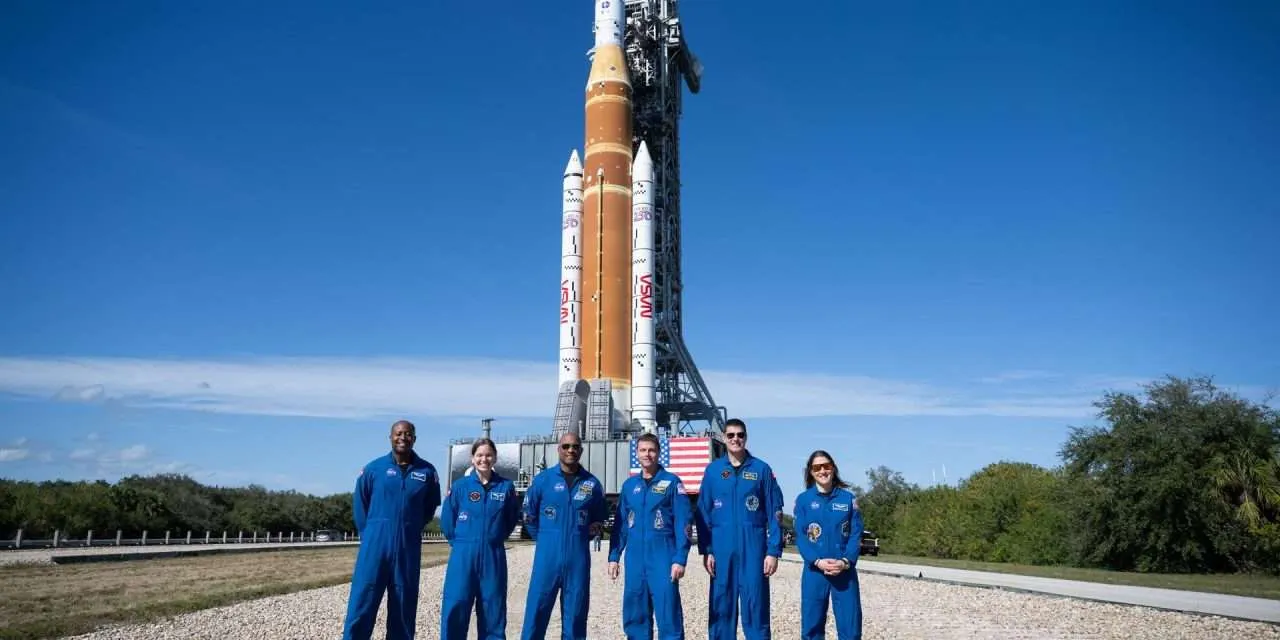

The Dawn of a New Era in Space Exploration
For decades the race to the stars was the province of government. NASA, Roscosmos and the European Space Agency led the charge in lifting mankind above the Earth’s atmosphere. But space exploration is now entering a revolutionary era driven by private companies, commercial innovation and unprecedented global collaboration.
Private missions of the past are shaping the future of humanity in space. What seemed impossible is becoming reality as private aerospace companies build reusable rockets, ferry civilians into orbit, and set their sights on the Moon and Mars. Not only is this transition changing the economics of space travel, it’s also changing who gets to participate in humankind’s greatest adventure.
How Private Companies Are Changing Space Travel
The new age of Space Exploration began to gain momentum as private companies proved they could do what only governments used to do. Leading aerospace innovators such as SpaceX, Blue Origin and Virgin Galactic have been able to disrupt the traditional model thanks to advanced technology and aggressive long-term goals.
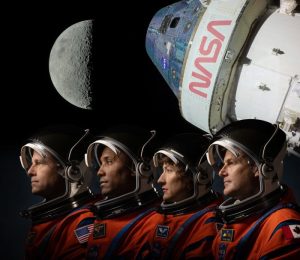
Reusable Rockets Revolutionised Everything
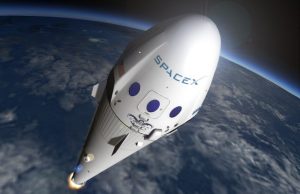
One of the biggest breakthroughs in private spaceflight has been reusable rocket tech. In the past , rockets were thrown away after one launch , making missions insanely expensive . Companies like SpaceX have developed reusable boosters that could land safely and fly again, dramatically reducing launch costs.
This innovation has opened up Space Exploration to research institutions, startups and even tourists. The lower costs also mean that we can do more missions more often, speeding up scientific discovery and technological progress.
Civilians Blast Off to Orbit
Private missions don’t just involve trained astronauts any more. Today, wealthy entrepreneurs, researchers and ordinary citizens are participating in orbital flights. For the first time ever, private crews have flown to the International Space Station on commercial missions, a historic shift away from government-only operations to greater public participation.
These missions demonstrate that space travel could become part of everyday society one day. Ticket prices remain high today, but experts say they will drop as technology improves and there is more competition.
The Moon and Mars Back On the Radar
The new age of space exploration isn’t just about circling the Earth. Private companies are aggressively pursuing missions to the Moon and Mars, reviving dreams that have lain dormant for decades.
Lunar Missions Accelerate
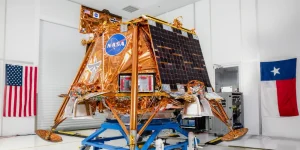
Several private companies are developing lunar landers, habitats and cargo systems to support future Moon missions. These efforts are in line with international efforts to establish a permanent human presence on the lunar surface.
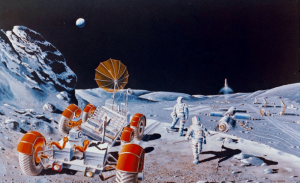
The Moon is increasingly seen as a springboard for further space exploration. Lunar bases could be used to test technologies needed for long-duration missions to Mars, and could enable new forms of scientific research, scientists believe.
Mars Becomes a Realistic Target
Mars has long fascinated humans, but private aerospace firms are making dreams into engineering blueprints. The development of advanced spacecraft is underway to enable interplanetary travel, with the ultimate goal of establishing self-sustaining colonies on the Red Planet.
Private investment has accelerated progress at a pace few anticipated, but enormous technical and ethical challenges remain. The idea that humans might be able to walk on Mars in the next few decades does not feel like science fiction anymore.
Why This New Age Is Important
Privatising Space Exploration unlocks possibilities far beyond tourism and headlines. It’s shaping industries, education, and international collaboration in big ways.
Technological Innovation
Space technology often results in innovations that make everyday life better. Past space programs have given us satellite communications, GPS, medical imaging and weather forecasting. Today’s private missions are spurring breakthroughs in artificial intelligence, robotics, materials science and clean energy systems.
Economic Development
The global space economy is growing fast. New industries including satellite deployment, asteroid mining and space-based manufacturing could generate trillions of dollars of economic activity in the future. Private investment is creating jobs and drawing talent from all over the world.
Inspiring the Next Generation
And, perhaps most importantly, this new chapter in space exploration is inspiring young people to pursue careers in science, technology, engineering and mathematics. The excitement of private launches and ambitious planetary missions has reignited the public’s fascination with space.
Challenges for Private Space Missions
“Private spaceflight has gone a long way, but it has huge hurdles.” Safety issues continue to be a concern, especially as more and more civilians take part in missions. Rocket emissions and orbital debris are also increasingly problematic for the environment.
There are also ongoing debates on regulation, ownership of extraterrestrial resources and international law. Space needs to be accessible, peaceful and sustainable, and that means governments and private companies need to work together.
FAQs of Space Exploration
What is the role of private companies in Space Exploration?
Private companies develop rockets, spacecraft and technologies for commercial and scientific space missions. They also reduce costs and increase innovation in the industry.
Why do reusable rockets matter?
Reusable rockets lower mission expenses by allowing spacecraft components to be used multiple times instead of discarded after a single launch.
Can ordinary people travel to space?
Yes, private companies now offer commercial space tourism flights, although costs remain very high for most people.
Will humans go to Mars soon?
Many experts believe human missions to Mars could happen within the next few decades due to advancements in spacecraft technology and private investment.
How does Space Exploration benefit Earth?
Space programs contribute to technological innovation, economic growth, scientific research, and global communication systems that improve daily life on Earth.
Conclusion
The future of Space Exploration is unfolding faster than ever before. Historic private missions are transforming space from a government-controlled frontier into a dynamic global industry filled with innovation, competition, and opportunity. From reusable rockets to civilian astronauts and ambitious Mars plans, humanity is witnessing the beginning of a bold new chapter in cosmic discovery.
As private companies continue to push boundaries, the dream of becoming a multi-planetary species feels increasingly achievable. The next generation may grow up in a world where traveling beyond Earth is not extraordinary but expected. Stay informed about the latest breakthroughs in space technology and follow the exciting journey as humanity reaches farther into the universe than ever before.
