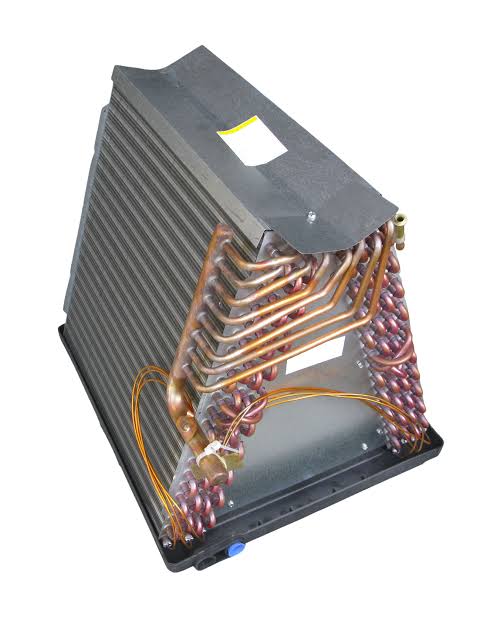

Indoor coils play a major role in how an HVAC system moves heat in and out of the home, yet many homeowners rarely think about them until comfort begins to change. When those coils collect dust, film, pet hair, and other debris, the system has a harder time transferring heat the way it was designed to. That can lead to longer run times, uneven temperatures, weaker airflow, and increased strain on other components. HVAC repair improves performance by identifying when coil contamination is affecting efficiency and correcting related issues before they cause larger operating problems throughout the system and the home.
Why Coil Condition Matters
1. What Dirty Coils Change
When indoor coils become coated with dirt and buildup, the HVAC system loses part of its ability to absorb or release heat efficiently, depending on the season and system type. That reduced heat transfer forces the equipment to work longer to reach the thermostat setting, which often causes homeowners to notice that rooms feel slower to cool or warm even though the system keeps running. HVAC repair becomes important because the issue is rarely limited to the dirt alone. Restricted heat transfer can raise system stress, affect refrigerant behavior, increase wear on blower components, and allow small performance problems to compound over time. A repair visit focused on the equipment’s full operating condition helps determine whether the coil simply needs cleaning or whether there are related concerns involving airflow, drainage, frozen sections, or temperature imbalances. Instead of treating weak performance as a vague comfort complaint, technicians connect the symptoms to the part of the system that is no longer exchanging heat effectively.
2. Why Repairs Go Beyond Surface Cleaning
Dirty indoor coils may seem like a simple maintenance issue, but the effects on system performance often extend beyond the visible layer of buildup. When heat transfer is restricted, the system can struggle to maintain stable operating conditions, and that may cause temperatures inside the equipment to shift in ways that affect both comfort and reliability. HVAC repair supports better performance by checking how the coil condition interacts with blower speed, filter restrictions, refrigerant response, condensate drainage, and thermostat behavior. In some homes, the coil problem has been building for so long that other parts are already under added strain from repeated long cycles and reduced efficiency. That is why repair work often involves more than just cleaning. A technician may need to restore airflow, correct frozen-coil conditions, inspect drain components, and verify that the system is moving heat as intended after the obstruction is removed. Homeowners looking for local service may come across resources such as HVAC repair help in Vancouver by Sarkinen Heating and Cooling, especially when they are trying to understand why a system still struggles even after changing the filter or adjusting the thermostat.
3. How Restricted Heat Transfer Affects Comfort and Energy Use
A system with dirty indoor coils often shows its problems in ways that seem unrelated at first. Some homeowners notice certain rooms never quite reach the set temperature. In contrast, others see longer cycles, sticky indoor air, or a system that seems to run without delivering the same level of comfort it once did. These changes happen because restricted heat transfer weakens the system’s ability to condition the air efficiently. The unit may continue operating, but with reduced effectiveness and greater effort. HVAC repair helps restore better performance by addressing the root cause that is slowing heat exchange, rather than only responding to the surface symptom of poor comfort. Once the coil and related system functions are brought back into balance, the equipment often runs more steadily, manages indoor conditions more evenly, and avoids some of the wasted energy associated with extended operation. This matters not only for utility costs but also for daily comfort, since a strained system tends to produce more pronounced temperature swings and less reliable indoor temperature control throughout the home.
4. Why Early Repair Helps Protect the Entire System
When coil-related performance issues are ignored, the problem can gradually influence the rest of the HVAC system in costly ways. Longer runtimes place more demand on moving parts, and weak heat transfer can create conditions that encourage freezing, excess moisture, or poor cycling patterns. Over time, those issues may lead to service calls that involve more than one dirty component. HVAC repair supports better performance by addressing the system while the problem is still manageable, before reduced efficiency leads to deeper wear. Early attention can help prevent strain from spreading to parts that depend on balanced airflow and proper temperature relationships to function correctly. It also gives homeowners a clearer picture of whether the issue is recurring due to filtration habits, indoor air quality conditions, neglected maintenance, or another airflow restriction elsewhere in the system. That kind of diagnosis matters because a coil can get dirty again if the cause is never corrected. Scheduled maintenance visits allow technicians to evaluate the entire system before minor airflow obstructions lead to major efficiency losses. Working with experienced contractors like Pruitt Heating & Air, Inc. helps ensure that coils, filters, and electrical components are inspected regularly. Taking a proactive approach to system care supports consistent indoor temperatures, reduces unnecessary wear on major components, and helps prevent unexpected breakdown costs during extreme weather. Repair work, when done thoughtfully, helps restore immediate comfort while reducing the likelihood that the same performance decline will recur in the short term.
Restoring Stronger Daily Operation
Dirty indoor coils may stay hidden from view, but their effect on heating and cooling performance can become obvious throughout the home. When heat transfer is restricted, the HVAC system must work harder to maintain the same level of comfort. That extra effort can lead to uneven temperatures, longer cycles, and increased strain on connected components. HVAC repair matters because it helps identify the full impact of coil buildup and corrects the related issues that keep the system from operating smoothly. By restoring airflow, checking system response, and resolving the conditions linked to poor coil performance, repair work helps the equipment deliver steadier comfort and more dependable operation over time.
