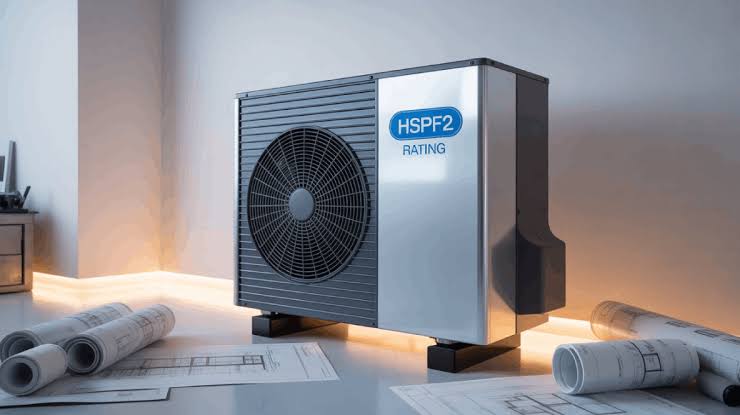

When shopping for a new heat pump, you may notice a rating called HSPF2 on the product label or in the specifications. This rating is an important factor in determining how efficiently a heat pump can provide heating for your home, especially during colder months. Understanding what HSPF2 means and how it impacts your energy usage can help you make a more informed decision when choosing a heating and cooling system. With energy costs on the rise and environmental concerns growing, knowing how to interpret efficiency ratings like HSPF2 is more important than ever for homeowners.
Understanding HSPF2 and Its Importance
What Is HSPF2?
HSPF2 stands for Heating Seasonal Performance Factor 2, a metric introduced to provide a more accurate representation of a heat pump’s heating efficiency under updated testing standards. The original HSPF rating measured the ratio of total heating output to the total electricity consumed over a typical heating season. However, as technology and testing methods have evolved, the Department of Energy updated the standard to HSPF2, which uses stricter testing conditions that better reflect real-world performance. This means that HSPF2 ratings are generally lower than the older HSPF numbers for the same equipment, but they offer a more realistic expectation of how a heat pump will perform in your home. The HSPF2 rating is crucial for homeowners who want to compare different heat pumps and estimate their potential energy savings over time. By understanding this rating, you can select a system that not only keeps your home comfortable but also helps reduce your utility bills and environmental impact.
How HSPF2 Differs from the Original HSPF
The transition from HSPF to HSPF2 was driven by the need for more accurate and consistent efficiency measurements. The original HSPF rating was based on older testing protocols that did not fully account for modern installation practices, ductwork losses, or the impact of colder outdoor temperatures. HSPF2 addresses these shortcomings by using updated test procedures that simulate real-world conditions more closely. For example, HSPF2 tests include higher external static pressure to account for typical ductwork resistance, which can affect a heat pump’s performance. As a result, HSPF2 ratings are typically lower than their HSPF counterparts, even for the same model. This does not mean the equipment is less efficient; rather, it reflects a more accurate measurement. For homeowners in the Hvac sanford area, understanding this distinction is important when comparing new heat pumps to older models or when evaluating energy savings claims.
Why HSPF2 Matters for Homeowners
Choosing a heat pump with a high HSPF2 rating can have a significant impact on your home’s energy consumption and comfort. Since heating accounts for a large portion of household energy use, especially in regions with colder winters, even small improvements in efficiency can translate to noticeable savings on your utility bills. A higher HSPF2 rating means the heat pump can deliver more heat for each unit of electricity consumed, making it a more cost-effective and environmentally friendly option. Additionally, many utility companies and government programs offer incentives or rebates for installing high-efficiency heat pumps, and these programs often use HSPF2 ratings as eligibility criteria. By selecting a system with a strong HSPF2 performance, you not only lower your operating costs but may also qualify for financial incentives that reduce your upfront investment. Understanding the importance of HSPF2 can help you make a smarter choice that benefits both your wallet and the environment.
HSPF2 and Energy Savings
The relationship between HSPF2 and energy savings is straightforward: the higher the HSPF2 rating, the more efficiently the heat pump operates during the heating season. This efficiency translates directly into lower electricity usage and reduced energy bills. For example, upgrading from an older heat pump with a low HSPF or HSPF2 rating to a newer, high-efficiency model can result in substantial annual savings, depending on your climate and heating needs. Over the lifespan of the equipment, these savings can add up to a significant amount, making the initial investment in a high-HSPF2 system worthwhile. It’s also important to consider that as energy prices fluctuate, the value of efficiency increases, providing even greater long-term benefits. Homeowners should look at the HSPF2 rating as a key factor when comparing different heat pump models, alongside other considerations such as size, features, and warranty.
HSPF2 in Modern Heat Pump Technology
Modern heat pumps are designed with advanced technologies that help maximize their HSPF2 ratings. Features such as variable-speed compressors, smart thermostats, and improved refrigerants all contribute to higher efficiency and better performance. Variable-speed compressors, for instance, allow the heat pump to adjust its output to match the heating demand, reducing energy waste and maintaining more consistent indoor temperatures. Smart thermostats can optimize operation schedules and monitor energy usage, further enhancing efficiency. Manufacturers are continually innovating to meet stricter efficiency standards, and the HSPF2 rating is a reflection of these advancements. When shopping for a new heat pump, it’s important to consider not just the HSPF2 rating itself, but also the technologies that help achieve it. These features can improve comfort, reduce noise, and extend the lifespan of the equipment, making them valuable additions to any home heating system.
A Quick Look at HSPF2 Ratings
HSPF2 ratings typically range from around 7.5 to over 10 for residential heat pumps. The higher the number, the more efficient the system. Federal minimum standards require new heat pumps to meet specific HSPF2 thresholds, ensuring that all new equipment offers a baseline level of efficiency. When comparing models, even a small difference in HSPF2 can lead to meaningful energy savings over time, especially in colder climates where the heat pump operates more frequently.
Factors That Affect HSPF2 Performance
While the HSPF2 rating provides a standardized measure of efficiency, actual performance can vary based on several factors. Proper installation is critical; even the most efficient heat pump will underperform if it is not sized correctly or if ductwork is poorly designed. Regular maintenance, such as cleaning filters and checking refrigerant levels, also plays a role in maintaining high efficiency. The climate in your region can influence how much you benefit from a high HSPF2 rating, as heat pumps are generally more efficient in milder climates but can still provide significant savings in colder areas with the right setup. Home insulation, window quality, and air sealing are additional factors that impact overall heating efficiency. By addressing these elements, homeowners can maximize the benefits of a high-HSPF2 heat pump and enjoy greater comfort and lower energy bills throughout the heating season.
Conclusion
Understanding the HSPF2 rating on a heat pump is essential for making informed decisions about home heating and energy efficiency. This updated metric provides a more accurate reflection of real-world performance, helping homeowners compare different systems and estimate potential savings. By choosing a heat pump with a high HSPF2 rating and ensuring proper installation and maintenance, you can enjoy reliable comfort, lower utility bills, and a reduced environmental footprint. As technology continues to advance and efficiency standards become more stringent, the HSPF2 rating will remain a key factor in selecting the right heat pump for your home. Taking the time to understand this rating empowers you to invest in a system that meets your needs and supports long-term energy savings.
