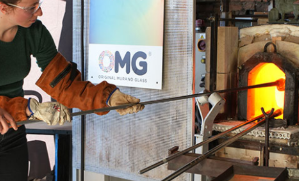

Venice is famous for its canals, historic architecture and artistic heritage, but one of its most distinctive traditions can be discovered on the nearby island of Murano. For centuries, Murano has been associated with glassmaking, attracting artisans who transform molten glass into colourful sculptures, decorative objects, jewellery and intricate works of art. Today, Murano glass workshops offer visitors an opportunity to explore this tradition more closely, learn how glass is shaped and, in some cases, try selected techniques under the guidance of experienced artisans.
Unlike a conventional sightseeing activity, a hands-on glassmaking session can provide a more personal connection to Venetian craftsmanship. Whether you are an art enthusiast, a curious traveller, a couple looking for a memorable activity or a family planning a cultural outing, a Murano glass experience can introduce you to the creativity, patience and technical skill behind this remarkable craft.
This guide explains what to expect from Murano glass workshops, the activities available, how to choose the right class and what to consider before booking.
What Are OMG Murano Glass Workshops?
OMG Murano Glass workshops offer visitors an opportunity to discover the art of traditional Murano glassmaking through private, guided experiences led by skilled glassmakers. Depending on the session, guests can learn about traditional techniques, observe the creative process up close or take part in hands-on activities to make their own glass creation.
Unlike a standard factory tour or glassblowing demonstration, a workshop can provide a more personal introduction to the craft. Participants may have the opportunity to explore how glass is shaped, how colours influence the final design and how a glassmaker transforms an artistic idea into a finished object.
OMG offers different experiences to suit various interests and levels of experience. The Murano Glass Making Experience introduces visitors to glass modelling at the furnace, with the opportunity to create a glass flower or heart and choose its colours and shape. For those looking for a more in-depth activity, the Murano Glass Blowing Class combines glass modelling with practical glassblowing, allowing participants to create an item such as a flower, tumbler, vase or plate under professional guidance.
Visitors who prefer a flexible, personalised session can also explore the Glass Furnace Private Session, where they can observe the craft closely and work with a glass master to develop their own artistic ideas. The duration can be arranged according to the chosen session, making it suitable for those who want to spend more time exploring the creative process.
Hands-on participation depends on the specific workshop, the instructor’s guidance and the applicable safety requirements. Before booking, it is worth checking what each experience includes, how long it lasts and which techniques participants can try themselves.
The main appeal of an OMG Murano Glass workshop is the opportunity to engage with a centuries-old Venetian tradition in a more interactive way. Whether you want to try glassmaking for the first time, learn about the skills behind handmade Murano glass or create a personal keepsake, choosing the right workshop helps you make the most of your visit.
Why Is Murano Famous for Glassmaking?
Murano’s glassmaking history is closely connected to Venice. In 1291, Venetian authorities ordered the city’s glass furnaces to move to Murano, a decision commonly associated with fire safety in Venice’s densely built urban environment. Over the following centuries, the island developed a reputation for skilled glassmakers and distinctive artistic techniques.
Murano artisans became known for their ability to manipulate colour, transparency, texture and form. Their work included decorative vessels, mirrors, chandeliers, jewellery and elaborate glass sculptures.
Although traditional methods remain important, contemporary Murano glassmaking also embraces modern design. Today’s studios may produce minimalist decorative pieces, experimental sculptures and artistic objects alongside traditional Venetian styles.
This combination of historical knowledge and creative experimentation makes Murano an interesting destination for anyone who wants to understand how a traditional craft continues to evolve.
What Can You Learn in a Murano Glass Workshop?
The activities available depend on the studio, the instructor and the level of the class. Several types of experiences are particularly common.
- Glassblowing Demonstrations and Introductory Sessions
Glassblowing is one of the most recognisable Murano glassmaking techniques. An artisan gathers molten glass on the end of a hollow metal pipe and uses controlled breathing, rotation and specialised tools to shape the material.
The glass must remain at a suitable temperature while the artisan works. As it cools, it becomes more difficult to manipulate, so timing and coordination are essential.
A glassblowing workshop may begin with a demonstration before explaining the basic principles of the technique. Some beginner experiences allow participants to take part in supervised activities, while others reserve the handling of molten glass for professional glassmakers.
If your goal is to try glassblowing yourself, confirm exactly what participation involves before booking. A class described as a glassmaking experience may focus mainly on watching an artisan rather than handling hot glass.
- Glass Bead Making
Glass bead making can be an accessible introduction to the craft, depending on the workshop’s equipment and safety arrangements.
In traditional lampworking, a glass rod is heated using a specialised torch until it becomes workable. The artisan winds the softened glass around a metal mandrel, gradually building a bead and adding decorative colours or patterns.
A class may introduce participants to colour selection, simple shapes and decorative effects. Some studios offer beginner sessions in which visitors can create a small bead or another suitable keepsake under supervision.
Because torch work involves high temperatures, participants must follow the instructor’s guidance and use the appropriate protective equipment.
- Decorating and Designing Glass Objects
Not every hands-on glassmaking activity involves molten glass. Some workshops focus on decorating prepared glass objects using suitable colours, paints or other materials.
These sessions can be appropriate for visitors who want a creative activity without undertaking a technically demanding glassmaking process. Depending on the studio, participants may decorate a small object and learn how colour, pattern and composition influence its appearance.
Always check whether the finished item can be taken home immediately or requires additional drying, firing or processing.
- Learning About Colour and Decorative Techniques
Murano glass is celebrated for its range of colours and intricate patterns. A workshop may introduce visitors to techniques such as murrine, which uses patterned sections of coloured glass canes, or filigrana, which incorporates fine glass threads into decorative designs.
Some classes demonstrate these methods rather than asking participants to reproduce them independently. Even a short explanation can help visitors appreciate the skill involved in creating complex glass objects.
Understanding the relationship between colour, temperature and material is also an important part of learning about the craft.
What Is the Difference Between a Murano Glass Workshop and a Factory Tour?
Although the terms are sometimes used interchangeably, a workshop and a factory tour can offer different experiences.
A Murano glass factory tour generally focuses on observing the production process. Visitors may watch artisans work at a furnace, learn about traditional tools and see how finished pieces are created.
A Murano glass workshop may include these elements but can also provide an opportunity to participate in a guided activity. Depending on the class, visitors might decorate glass, make beads or try a beginner-level technique.
A glassmaking demonstration is primarily observational, while a hands-on class gives participants a more active role.
Some venues combine all three elements: a demonstration, an explanation of traditional methods and a practical activity. If you want to make your own piece, look for a workshop that explicitly describes the activity as hands-on.
How to Choose the Right Murano Glass Class
With different formats available, choosing an appropriate class depends on your interests, experience and schedule.
Consider your skill level. Beginners should look for introductory sessions with clear instructions and appropriate supervision. Previous artistic experience is not always necessary for simple activities.
Check the level of participation. Determine whether you will handle materials yourself, decorate a prepared object or primarily watch an artisan.
Review the duration. Short workshops may suit travellers with limited time, while longer classes can provide more opportunities to explore a technique.
Ask what is included. Check whether materials, tools, protective equipment and a finished object are included in the booking price.
Consider age restrictions. Some activities are designed for adults, while others welcome children or families. Confirm minimum ages and supervision requirements.
Read the cancellation policy. If your Venice itinerary depends on waterbus schedules or other timed activities, flexible booking conditions may be useful.
Reading the description carefully helps ensure that the experience matches your expectations.
Is a Murano Glass Experience Suitable for Families?
A Murano glass experience can be an engaging cultural activity for families because it combines creativity, visual interest and an introduction to traditional craftsmanship.
Children may enjoy watching glassmakers shape molten material or decorating a glass object themselves. The best option depends on their ages, attention spans and the studio’s safety requirements.
Activities involving furnaces, torches or hot glass require strict supervision and may have minimum age limits. Family-friendly decorative classes can offer an alternative for younger visitors who are not permitted to participate in more advanced processes.
Before booking, ask whether the workshop provides child-appropriate equipment, whether adults must participate alongside children and whether everyone will be able to take a finished object home.
What Should You Know Before Booking?
A little preparation can help you enjoy your class without unnecessary surprises.
- Book in advance: Popular experiences may have limited places or fixed starting times, especially during busy travel periods.
- Arrive on time: Instructors may need to explain safety rules before the activity begins.
- Wear suitable clothing: Follow the studio’s guidance on footwear, clothing and protective equipment.
- Check language availability: If you want detailed explanations, confirm which languages the instructor speaks.
- Ask about your finished piece: Some glass objects need time to cool, be annealed or undergo additional processing before collection.
- Plan your transport: Check the waterbus route and walking distance from the nearest Murano stop.
These details are particularly important if you have reserved other activities in Venice on the same day.
Frequently Asked Questions About Murano Glass Workshops
Do I need previous experience to attend a Murano glass class?
No. Many introductory experiences are designed for beginners. However, the level of participation varies, so choose a class that clearly describes its activities and requirements.
Can I make my own glass object in Murano?
Some workshops allow participants to create beads, decorate glass objects or take part in other supervised activities. Whether you can shape molten glass yourself depends on the provider, the technique and its safety procedures.
How long does a Murano glass workshop last?
Short activities may take less than an hour, while more detailed classes can last several hours. Check the advertised duration and whether it includes a demonstration or time for finishing the object.
Can I take my creation home?
Many workshops allow participants to keep their finished work. However, some pieces need cooling, annealing or additional processing, which means they may need to be collected later or shipped.
Are Murano glass workshops worth visiting?
For visitors interested in art, design and traditional craftsmanship, a workshop can offer a more interactive experience than simply viewing finished glassware. The value depends on the quality of the instruction and how much practical participation is included.
Discover Murano Through Hands-On Glassmaking
Murano glass workshops provide a fascinating way to explore the island’s artistic heritage while learning about the skills behind one of Venice’s best-known crafts. From observing glassblowing to decorating glass objects or trying a beginner-friendly activity, each experience offers a different perspective on the relationship between traditional techniques and creative expression.
The best workshop is one that matches your interests, experience level and expectations. Check the format, confirm what you will be able to make and allow enough time to enjoy the experience without rushing.
MuranoGlassWorkshop.com is a starting point for travellers researching Murano glass workshops, glassblowing experiences and introductory glassmaking classes in Venice. Visits are by appointment only, and bookings must be made through the website.With the right preparation, a visit can become more than a sightseeing activity: it can be an opportunity to engage with a centuries-old craft and gain a lasting appreciation for the artistry of Murano glass.
