

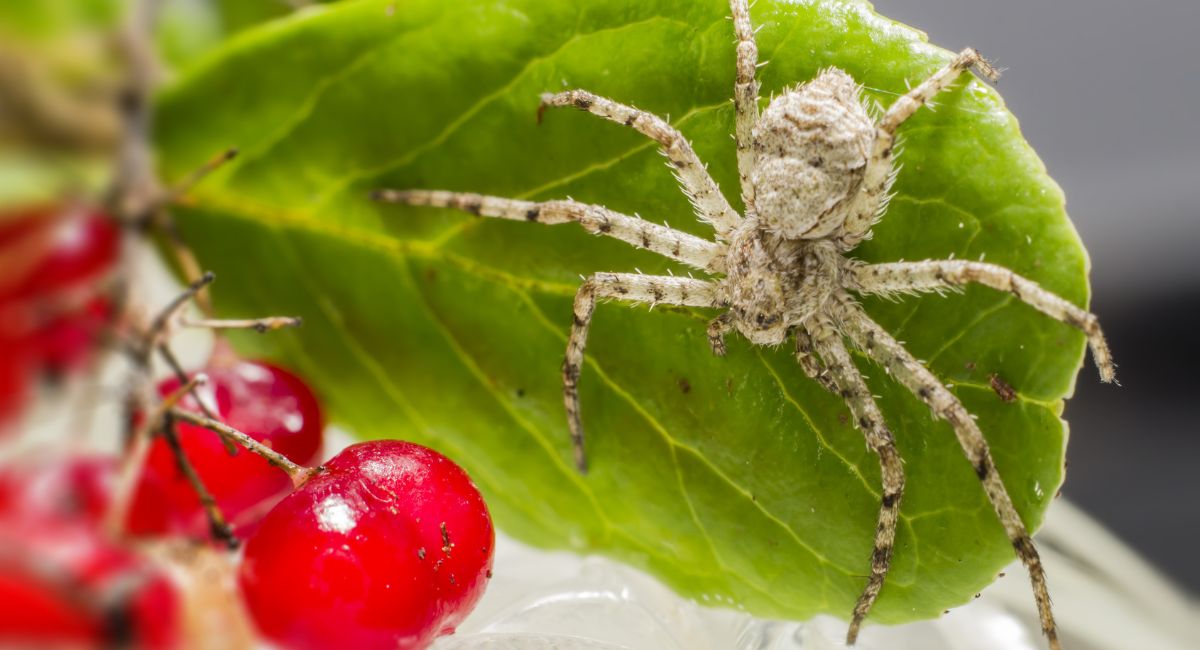
This Jumping Spider Care & Feeding Guide: Food, Habitat, Health & Behavior is a complete resource for USA keepers who want to understand every aspect of owning a jumping spider. These tiny hunters are intelligent, playful, and engaging pets. By following this guide, you will learn what to feed a jumping spider, how to set up the perfect habitat, maintain their health, and understand their behavior. Proper care ensures your spider thrives and builds trust through daily interactions, making feeding more than just a routine it becomes a bonding and trust-building interaction.
Jumping spiders are suitable for both beginners and experienced keepers. Their small size, quiet habits, and visible personality make them ideal for apartments or homes with limited space. With knowledge of responsible spider feeding, habitat control, and observation of spider health indicators, you can provide years of safe, enriching care.
What Are Jumping Spiders?

Jumping spiders are small arachnids with remarkable vision and highly developed hunting instincts. Unlike web-building spiders, they rely on live prey hunting to catch their food. This makes them active, alert, and engaging to watch. Their hunting and pouncing behavior is not only fascinating but also provides mental stimulation, which is essential for their overall well-being. Observing a jumping spider stalk a fruit fly is a rewarding experience that highlights the intelligence of these tiny creatures.
In addition to their fascinating behavior, jumping spiders are perfect for beginners due to their low-maintenance nature. They do not require elaborate enclosures, strong lighting, or constant cleaning. Their personalities and curiosity make bonding through feeding easier, as spiders begin to recognize your presence as a source of food and security. Popular species like Phidippus regius (regal jumping spider) are particularly well-suited to beginner jumping spider care because of their adaptability and calm temperament.
What Do Jumping Spiders Eat? Complete Diet & Food Options
Jumping spiders follow a strict carnivorous diet. They require moving prey to trigger their hunting instincts. Offering non-moving insects often leads to jumping spider refusing food. Understanding jumping spider food is crucial: you need to provide a variety of insects that offer balanced nutrition while allowing natural enrichment through hunting.
For a pet jumping spider feeding routine, start with small, easily catchable prey for babies. Flightless fruit flies such as Drosophila melanogaster are ideal for spiderlings, while Drosophila hydei are better for larger juveniles. Adults thrive on bottle flies, blue bottle flies, and house flies, which stimulate hunting and pouncing behavior. Occasional treats like waxworms, butterworms, and moths as spider food provide high-fat enrichment but must be limited to prevent obesity. A carefully rotated diet ensures nutritional balance for spiders.
How Often to Feed a Jumping Spider (By Age & Growth Stage)
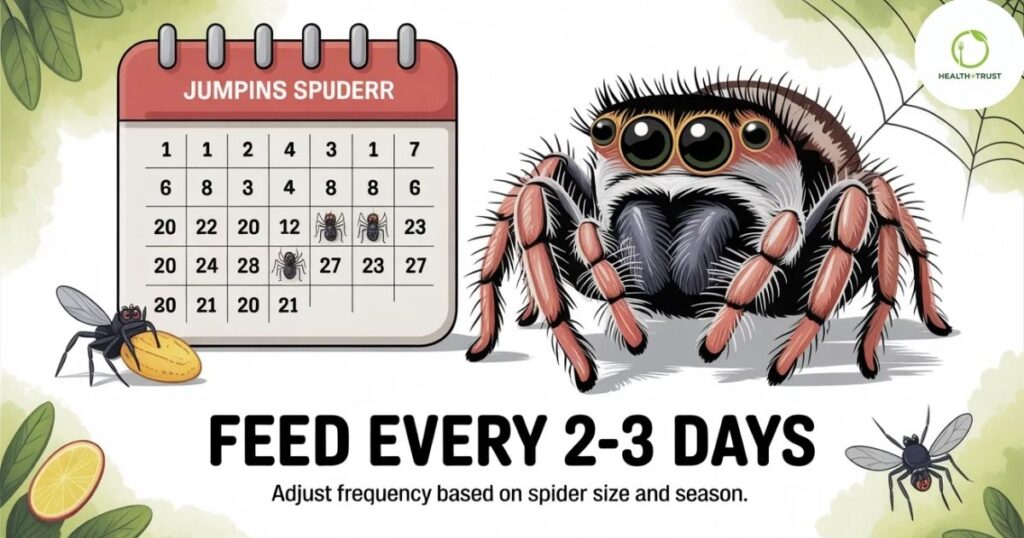
The feeding frequency by age is critical because spiderlings, juveniles, and adults have different metabolisms. Baby spiders, or slings, grow quickly and need food almost daily, while adults have slower adult spider metabolism and eat less frequently. Following the right feeding schedule for jumping spiders prevents overfeeding jumping spiders and helps avoid underfeeding risks.
Here’s a clear jumping spider feeding chart for reference:
| Life Stage | Feeding Frequency | Recommended Food | Notes |
| Spiderlings | Every 1–2 days | Drosophila melanogaster | Supports rapid growth |
| Juveniles | Every 2–3 days | Drosophila hydei, bottle flies | Promotes strong hunting skills |
| Adults | Every 3–5 days | bottle flies, mealworms for jumping spiders | Slower metabolism, careful portioning |
| Gravid Females | Every 2–3 days | Protein-rich insects, soft-bodied treats | Supports gravid female nutrition |
Always monitor abdomen size to prevent overfeeding or signs of hunger. Feeding consistency also encourages natural feeding rhythms, reducing stress.
How to Feed a Jumping Spider Safely (Step-by-Step)
Feeding safely requires prey size matching. The prey must be equal to or smaller than the spider’s body to ensure successful hunting and prevent stress. Oversized prey can cause jumping spiders refusing food or even injuries.
A safe feeding process includes offering insects with tweezers for control or placing them in the enclosure for free hunting. For beginners, safe hand feeding is recommended, allowing you to build trust gradually. Rotating prey types introduces feeder insect rotation, provides nutritional enrichment, and maintains enrichment through hunting. Feeding should always be treated as a feeding as a ritual, combining observation, interaction, and enjoyment.
Best Feeder Insects & Foods to Avoid
A proper diet combines staple and rotation insects. Spiderlings require flightless fruit flies like Drosophila melanogaster, juveniles enjoy Drosophila hydei, and adults prefer bottle flies, blue bottle flies, and house flies. Occasionally, small mealworms for jumping spiders with crushed mealworm heads or roach nymphs such as dubia roaches and red runner roaches can be offered for variety.
High-fat treats like waxworms, butterworms, or moths as spider food should only be offered once or twice a month. Avoid feeding crickets to jumping spiders for beginners, as they can bite, hide, or stress your spider. Choosing safe prey ensures feeder safety and prevents negative interactions.
Jumping Spider Habitat Setup: Enclosure, Temperature & Humidity
Enclosures should prioritize vertical space, allowing climbing and exploration. Substrate, ventilation, and secure lids are essential for captive environment care. Enrich the habitat with plants, twigs, and hides to simulate natural hunting conditions and allow enrichment feeding.
Temperature should remain between 70–80°F, while humidity for jumping spiders should be moderate. Mist lightly with misting jumping spider enclosure techniques to create water droplets for spiders. This supports hydration for jumping spiders and prevents drying or mold
Molting, Growth Stages & Feeding During Molt
During the molting phase, spiders stop eating and hide. Observing premolt signs like sluggish movement, dense silk webs, and refusal to hunt is normal. Never attempt feeding during feeding during molt because soft bodies are extremely vulnerable.
Post-molt recovery should last 2–3 days before resuming feeding. Ensuring a safe and quiet environment helps juveniles grow successfully and supports baby spider care and juvenile spider feeding routines.
Water, Hydration & Gut-Loading for Better Nutrition
Spiders drink from surface moisture rather than bowls. Light misting provides hydration through misting, allowing them to sip water droplets for spiders. This prevents drowning and mimics natural conditions.
Feeder insects should be gut-loaded with vegetables, fruits, or grains to create gut-loaded insects, providing nutritional enrichment for growth, molting, and long-term spider vitality. This simple step ensures your spider gets essential vitamins, minerals, and proteins.
Common Problems: Not Eating, Stress, Illness & Solutions
A jumping spider not eating may be molting, full, stressed, or adjusting to a new enclosure. Observing enclosure adjustment period behavior helps reduce panic. Stress indicators include retreating, freezing, or erratic movement.
By watching spider health indicators, keepers can catch issues early. Maintaining proper diet, regular hydration, and safe enclosure conditions prevents illness and encourages confident, healthy behavior. Understanding these signs is crucial for ethical pet spider care.
Jumping Spider Lifespan, Handling Tips & Long-Term Care
Jumping spiders typically live 1–3 years, with females outliving males. Regular handling builds trust while careful observation protects fragile spiderlings. Consistent feeding routine, habitat management, and captive jumping spider care help them thrive.
Long-term health depends on respecting adult spider metabolism, observing spider growth stages, and providing balanced diets with protein-rich insects and occasional fatty feeder treats. Following this guide ensures your spider lives a full, healthy, and enriching life while fostering trust-building interaction and enjoyment.
FAQs
Q Can I keep a wild jumping spider as a pet?
Pesticides, extreme temperatures, dehydration, overfeeding, or unsuitable prey can kill them
Q What kills a jumping spider?
Feed gently with tweezers, avoid sudden movements, and maintain a calm, consistent routine.
Q How do you get a jumping spider to trust you?
Feed gently with tweezers, avoid sudden movements, and maintain a calm, consistent routine.
Q Can I feed my jumping spider dead bugs?
Occasionally yes, but they prefer live food for jumping spiders to trigger hunting behavior.
Q Do jumping spiders get attached to humans?
They don’t form emotional bonds but recognize you as a safe source of food and comfort.
Meta Description
Discover the ultimate Jumping spider care guide with feeding tips, prey options, and care for healthy, happy spiders.
This expanded Jumping Spider Care & Feeding Guide: Food, Habitat, Health & Behavior emphasizes practical tips, feeding routines, nutrition, and bonding strategies. By implementing these strategies, you ensure your spider thrives in captivity and remains a curious, active, and happy companion.
Conclusion
In conclusion, proper jumping spider care & feeding guide ensures your spider thrives and stays healthy. Following a balanced jumping spider diet, safe habitat setup, and consistent feeding routine supports natural hunting and pouncing behavior, growth, and long-term vitality. By observing spider health indicators, rotating feeder insects for jumping spiders, and providing hydration through water droplets for spiders, you build trust and enrich their life. With patience, care, and attention, feeding becomes more than nourishment. it’s a bonding through feeding ritual that strengthens your connection and ensures years of happy, curious companionship.