

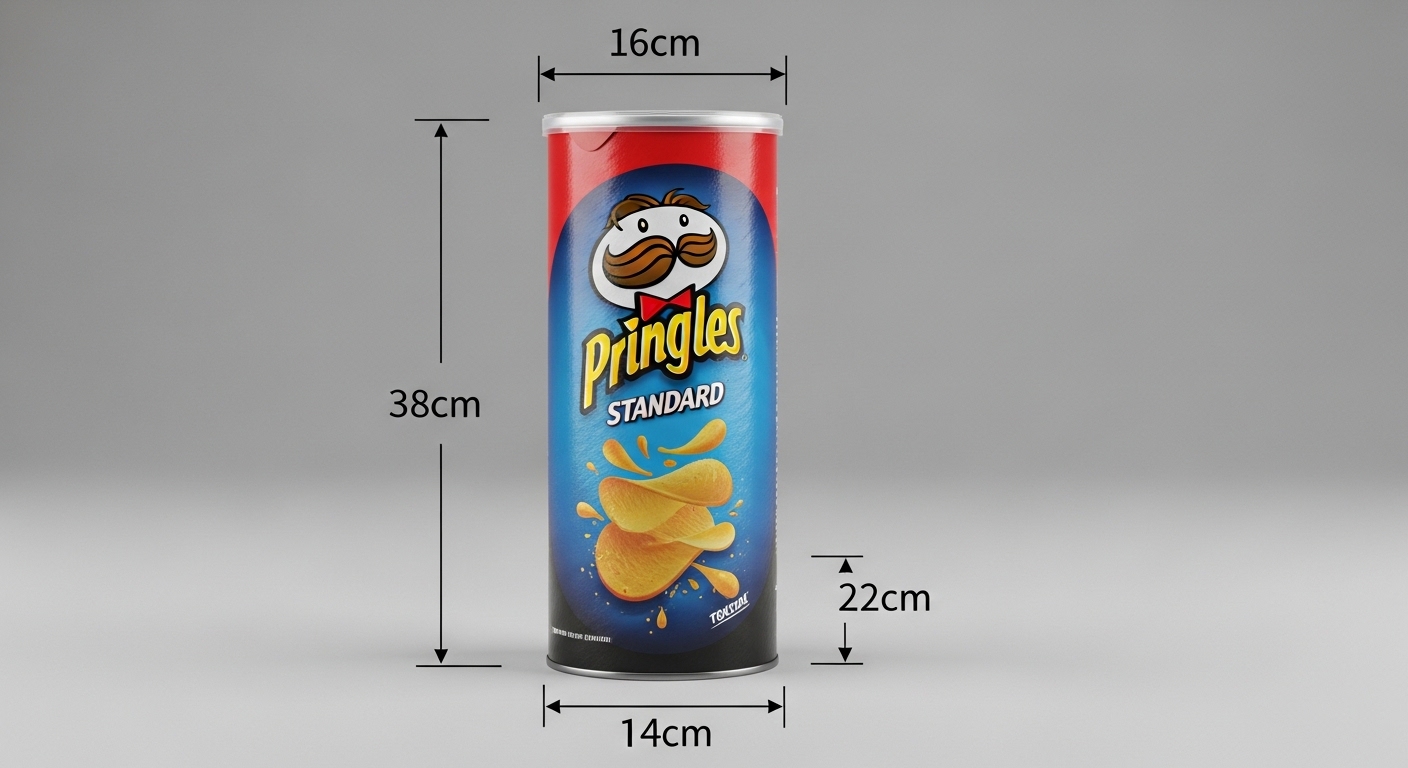
I still remember the first time I popped open a can of Pringles. Not the polite pop you see in commercials no, more like a stubborn plop-thwack that echoed across the kitchen like a tiny drum. The can rolled a bit, I laughed a bit, and suddenly I was staring at this weirdly perfect tower of stackable potato chips. Not crumbs. Not chaos. Just a neat little edible skyline.
Later I learned that this oddly satisfying experience was no accident. The tall tube, the curved chips, the way every crisp fits inside another like sleepy spoons it’s all the result of clever design that goes back decades. Engineers, mathematicians, food scientists… all quietly collaborating so that a snack could sit in a cylindrical chip canister without turning into dusty heartbreak.
The snack itself came from a long chain of innovators. Procter & Gamble originally developed the product, with contributions from designers like Fredric Baur and Alexander Liepa, whose work helped shape both the chip and its iconic container. Eventually the brand moved under Kellogg’s, which still produces it today.
But the most oddly fascinating thing about this snack? The Pringles can dimensions and the mathematical shape of the chips themselves. Yeah, really. A potato snack with geometry hiding in plain sight.
Let’s dig into the numbers, the science, and the slightly nerdy beauty behind one of the world’s most recognizable snack tubes
| Category | Measurement | Size |
|---|---|---|
| Pringles Standard Can | Height | 9.96 inches (25.3 cm) |
| Diameter | 3 inches (7.62 cm) | |
| Internal Diameter | 2.87 inches (7.29 cm) | |
| Radius | 1.5 inches (3.81 cm) | |
| Circumference | 9.42 inches (23.9 cm) | |
| Pringles Chip Dimensions | Chip Length | 2.5 – 2.8 inches |
| Chip Width | 1.75 inches | |
| Chip Thickness | 0.09 inches | |
| Chip Weight | ~2.5 grams | |
| Can Volume | Total Volume | 70.37 cubic inches |
| Chip Space | 47.37 cubic inches | |
| Nitrogen Space | 23 cubic inches | |
| Pringles Can Size Variants | Mini / Travel | 4.33 inches height |
| Snack Stack | 5.5 inches height | |
| Standard | 9.96 inches height | |
| Party Stack | 10.5 inches height | |
| Super Stack | 11.2 inches height |
Understanding the Exact Pringles Dimensions
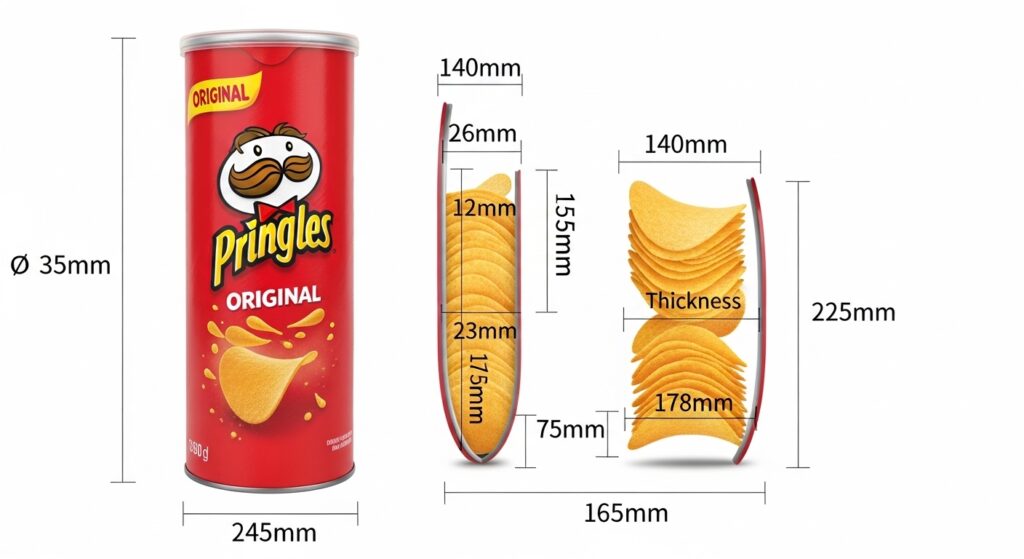
The famous can of Pringles isn’t just a random cardboard tube. Its size is engineered for protection, efficiency, and that oddly satisfying stack of chips that slides out like edible coins.
Here are the official measurements of the classic container:
- Height: 9.96 inches (25.3 cm)
- Diameter: 3 inches (7.62 cm)
- Internal diameter: 2.87 inches (7.29 cm)
- Radius: 1.5 inches (3.81 cm)
- Circumference: 9.42 inches (23.9 cm)
Those numbers might look like simple measurements, but they influence nearly everything from shipping boxes to shelf spacing in grocery stores.
Because the container is basically a cylinder, its capacity can be estimated using the Cylinder Volume Formula. The result comes out to roughly 70.37 cubic inches of internal space.
But here’s the curious part: not all that space is filled with chips.
- Chip space: 47.37 cubic inches
- Nitrogen space: 23 cubic inches
That extra gap exists because of Nitrogen Gas Packaging. The nitrogen protects chips from moisture and breakage, a form of nitrogen preservation widely used in snack food manufacturing.
It’s a bit funny when you think about it almost one-third of the can is invisible gas quietly babysitting your chips.
The Geometry Behind Pringles Chip Dimensions
Now comes the mathy part, and it’s kinda delightful.
Each chip is shaped like a Hyperbolic Paraboloid. Sounds fancy, right? It’s actually the same type of curve used in some modern architecture and saddle-shaped structures.
This shape gives the chip three super important advantages:
• Structural strength
• Stackability
• Even seasoning coverage
The typical Pringles chip dimensions look roughly like this:
- Chip length: 2.5 – 2.8 inches
- Chip width: 1.75 inches
- Chip thickness: 0.09 inches
- Chip weight: about 2.5 grams
The curvature allows chips to stack neatly without crushing each other. If they were flat like traditional chips from Lay’s or Utz, the bottom ones would crumble under pressure.
Food engineers sometimes joke that Pringles are “potato mathematics.”
And honestly… yeah, they kinda are.
The Engineering Behind Pringles Packaging Design
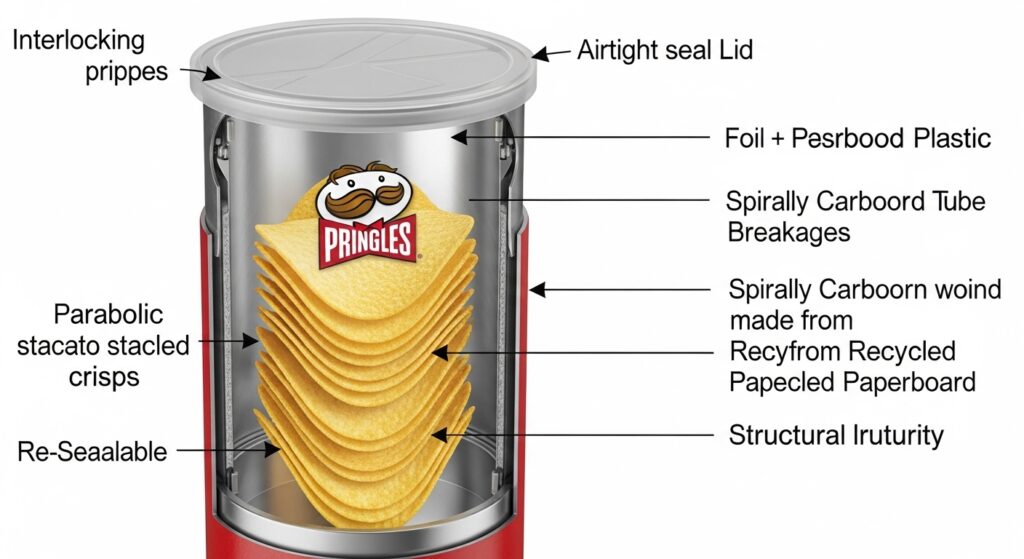
Creating a chip that precise requires some serious manufacturing discipline.
The process involves several technical steps:
• dough sheeting potato flakes mixed into a uniform dough
• hydraulic pressing cutting the exact chip shapes
• curved molds forming the hyperbolic paraboloid shape
• automated vision systems inspecting chips for defects
• tolerance measurement using micrometer precision
This is where Six Sigma manufacturing methods enter the picture. The goal is extremely low defect rates.
Every chip must match strict dimensional tolerances so the stacks stay stable.
Because if even a few chips are too wide or slightly warped, the stack inside the cylindrical packaging can jam. And nobody likes shaking a can of chips like a maraca just to get the last ones out.
Quality control systems monitor:
• chip curvature
• thickness uniformity
• edge integrity
• moisture content
• seasoning distribution
It’s industrial snack science… and it’s surprisingly sophisticated.
Pringles Can Dimensions Across Different Sizes
The famous tube doesn’t always come in the same size. Several variations exist depending on region and product line.
Pringles Can Dimensions in Different Product Sizes
Here are the common versions you might find in stores.
- Pringles Mini / Travel size: 4.33 inches height
- Pringles Snack Stack: 5.5 inches height
- Pringles Standard can: 9.96 inches height
- Pringles Party Stack: 10.5 inches height
- Pringles Super Stack: 11.2 inches height
- Limited edition shareable can: varies by promotion
Despite the different heights, the diameter typically stays close to 3 inches so the chips remain the same size.
That consistency simplifies manufacturing and snack food logistics, since factories only need one chip mold for most variants.
Why the Pringles Can Is Cylindrical
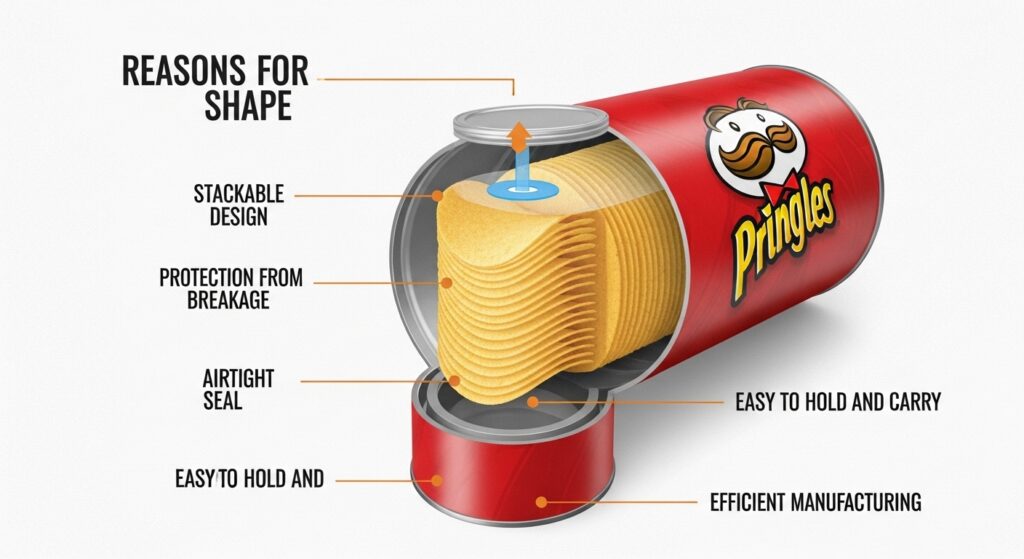
Traditional chip bags are messy. They contain irregular chips that shift, break, and turn into crumbs.
The Pringles tube solved several problems at once.
Advantages of the cylindrical chip container include:
- Reduced chip breakage during shipping
- Better pallet stacking optimization in warehouses
- Efficient shelf storage
- Easier portion control
- Stronger protection than bags
In snack food transportation, shipping breakage reduction matters a lot. Broken chips mean wasted product and unhappy customers.
The tall tube keeps the chips aligned and supported.
Interestingly, the tube is made from layered materials forming an aluminum composite canister with foil seal packaging at the top.
That foil seal is what creates the classic pop sound when opened.
Some acoustics nerds even studied the resonance frequency of the can when it pops. Yes, really. Snack science gets weird sometimes.
Pringles vs Other Stackable Chip Brands
Once Pringles became popular, competitors jumped into the stackable chip world.
Here are a few familiar names.
Common Stackable Chip Competitors
- Lay’s Stax
- Ritz Crisp & Thins
- Utz Stackers
- classic chips from Lay’s
- snack crackers from Ritz
While several brands imitate the stacked format, Pringles still dominates the category largely because of its precise geometry and manufacturing consistency.
Competitor chips sometimes differ slightly in:
• curvature
• thickness
• seasoning coverage
• container design
And snack enthusiasts will argue endlessly about which one tastes best. Personally… I think every brand has its day. But Pringles still win the engineering contest.
Surprising DIY Uses for a Pringles Can
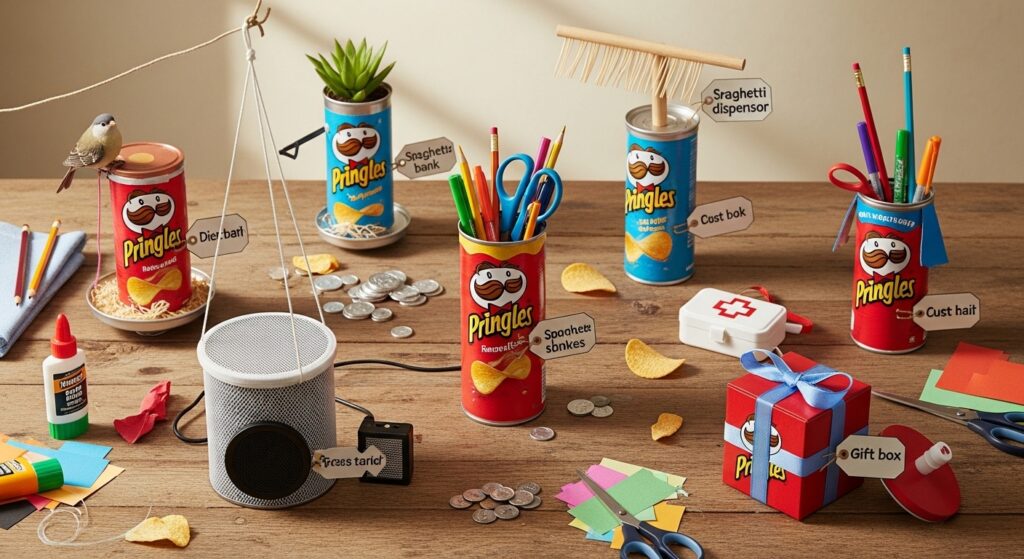
Because of their tidy cylindrical shape, empty Pringles cans often find second lives in DIY projects.
People have turned them into all sorts of odd inventions.
- DIY kaleidoscope for kids
- homemade Pringles cantenna Wi-Fi booster
- cable organizer for desks
- herb planter for kitchen windows
- model rocket body tube
- coin bank
- mini drum for curious toddlers
- portable snack storage (ironically)
A neighbor once told me he built a telescope prototype using two Pringles cans and some cheap lenses. Did it work perfectly? Not really… but he seemed very proud of it.
Sometimes engineering starts with a snack container and a wild idea.
Fun Observations About the Famous Chip Tube
People who study packaging design occasionally point out little quirks about the Pringles tube.
Here are some observations that snack fans often mention.
- The narrow opening makes it hard for larger hands to reach inside
- The chip stack gradually slides downward as you eat
- The can produces a hollow echo when tapped (thanks to the internal air gap)
- The shape helps chips survive long transport routes
- The lid doubles as a temporary chip bowl if you’re creative
- The tube fits neatly in many car cup holders
- The packaging uses clever packaging optimization for global shipping
- The internal nitrogen slows oxidation and preserves crunch
Some folks complain about the “hand stuck in tube” situation… but honestly that’s part of the experience.
How Many Chips Fit in a Standard Pringles Can?
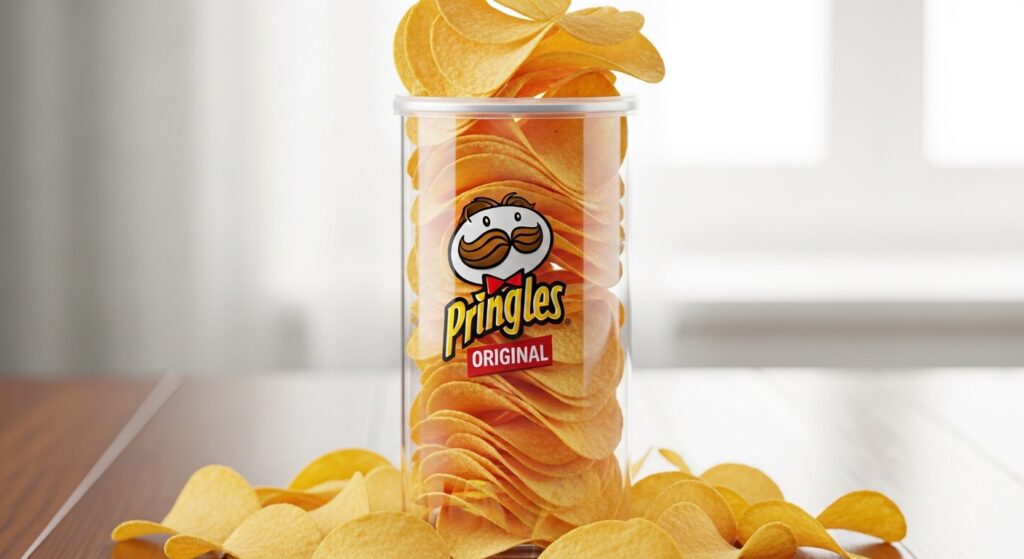
A question that pops up constantly is:
how many chips in a Pringles can?
The number varies slightly depending on flavor and chip thickness, but a standard can usually contains about 90 to 100 chips.
Since each chip weighs around 2.5 grams, a typical can contains roughly 165 grams of product.
Because the chips stack tightly, the container uses its space extremely efficiently—another reason the design has lasted so long.
A Snack Designed With Mathematical Personality
When Fredric Baur helped design the packaging, he reportedly loved the elegant geometry so much that his ashes were later placed in a Pringles can for burial.
Strange? Maybe a little.
But it kinda shows how deeply people can care about clever design. A snack container turned into a piece of engineering history.
And when you really look at it the perfect stack, the curved chips, the precise measurements it’s not just junk food.
It’s edible industrial design.
Frequently Asked Questions
pringles can dimensions
A standard Pringles can measures about 9.96 inches (25.3 cm) in height and 3 inches (7.62 cm) in diameter. The cylindrical design allows the chips to stack neatly and helps prevent breakage during shipping.
how long is a pringles can
A typical Pringles can is around 9.96 inches (25.3 cm) long from top to bottom. This length is designed to fit roughly 90–100 stacked chips inside the container.
how tall is a pringles can
The standard height of a Pringles can is approximately 9.96 inches (25.3 centimeters). Smaller versions like mini cans are shorter, measuring about 4.3 inches (11 cm) tall.
how big is a pringles can
A regular Pringles can is about 10 inches tall and 3 inches wide. This size provides enough space to hold a full stack of chips while keeping the packaging compact and easy to store.
pringles can size
Pringles cans come in several sizes, including Mini (1.41 oz), Snack Stack (2.5 oz), Standard (5.5 oz), Party Stack, and Super Stack. The standard 5.5-oz can is the most common and widely sold size.
Read this blog: https://marketbellions.com/how-is-5-inches-longs/
Final Thoughts: The Quiet Genius of Pringles Dimensions
Next time you open a can of Pringles, pause for a moment before eating half the stack in five minutes (we all do it, no judgement).
Notice the math hiding in the snack:
• the hyperbolic paraboloid chip shape
• the carefully calculated Pringles can dimensions
• the nitrogen-filled interior protecting the chips
• the precision manufacturing behind each crisp
It’s a small reminder that everyday products especially snacks often carry fascinating stories of invention.
And if you’ve ever measured a Pringles tube, built something from it, or debated Pringles vs Lay’s Stax with friends, you’re already part of that strange little world of snack curiosity.
If you have your own fun fact, DIY creation, or weird observation about Pringles cans, share it. People love those tiny stories.
Because sometimes the most ordinary objects like a tall cardboard tube of chips are quietly full of geometry, engineering, and a little bit of crunchy magic.